Margarita Font: Elegant Script for Web Design
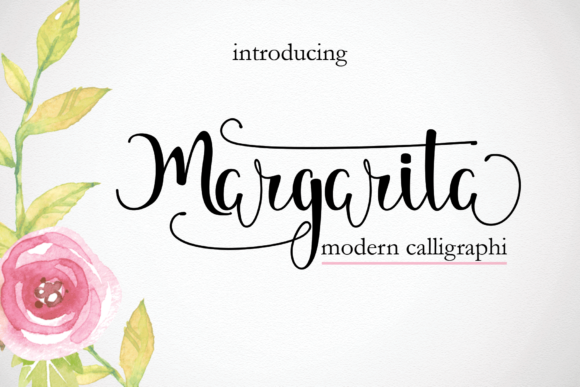
The Margarita font is a handwritten script that brings an elegant touch to digital design. As a web designer, I appreciate how it adds personality and sophistication to layouts without sacrificing clarity. Its fluid strokes and refined curves make it ideal for headers, logos, and decorative elements where visual appeal matters.
When used in web design, Margarita enhances the overall aesthetic of a site. It works well in hero sections, call-to-action buttons, and blog headers. Its natural flow makes it perfect for creative portfolios, boutique online stores, and coaching websites looking to convey a personal and professional vibe.
Visual Characteristics and Digital Appeal
Margarita has a soft, expressive character that feels handcrafted yet polished. The font’s unique structure gives it a warm and inviting presence, making it suitable for brands that want to communicate creativity and authenticity. Its style is best described as a modern script with a vintage influence, offering a balance between elegance and approachability.
For UI designers, Margarita can be a powerful tool in creating visual hierarchy. Its distinct shape helps draw attention to key elements like headlines or logo text. However, it’s important to use it strategically—overusing it can reduce readability, especially in long paragraphs.
Applications in Web Design and Branding
In website headers, Margarita adds a sense of flair that complements clean, minimal designs. Pairing it with a simple sans serif font for body copy creates a balanced look that’s both stylish and functional. This font pairing is great for landing pages, course sales pages, and content-heavy blogs.
On social media graphics, Margarita stands out as a bold and memorable choice. It’s often used in banners, promotional posts, and Instagram stories to catch attention and reinforce brand identity. For online stores, it can elevate product titles and category headings, making them more visually engaging.
When designing for mobile screens, it’s crucial to test Margarita at smaller sizes. On buttons or short phrases, it remains legible, but on larger blocks of text, it may become difficult to read. Always consider contrast—using it on dark backgrounds or image overlays requires careful adjustment to maintain clarity.
Best Uses for Margarita
Margarita excels as a display font rather than a body font. It’s best suited for hero titles, section headings, and decorative accents. For example, in a creative portfolio site, using Margarita for project titles adds a personal and artistic touch. In a coaching website, it can be used for taglines or featured quotes to create a more intimate feel.
As a logo font, Margarita offers a custom, handcrafted look that can differentiate a brand from competitors. It works well in combination with other fonts, especially when paired with a clean, neutral typeface. This pairing ensures that the overall design remains cohesive and easy to navigate.
Font Pairing and Webfont Availability
When selecting fonts for web design, it’s essential to check the available styles, weights, and file formats. Margarita likely includes multiple weights or alternates, which can be useful for different design needs. If it’s available as a webfont, it simplifies implementation and ensures consistent rendering across devices.
For editorial design or packaging, Margarita can add a unique touch. However, in digital contexts, it’s important to ensure that the font supports the languages and characters needed for your audience. Multilingual support is a key consideration for global brands or multilingual websites.
Commercial Licensing and Practical Use
When using Margarita for commercial projects, always verify the licensing terms. Most premium fonts require a separate license for website use, client projects, or online stores. This ensures that you’re compliant with legal requirements and avoid potential issues down the line.
For SaaS founders or digital product creators, incorporating Margarita into brand assets like email templates, app interfaces, or marketing materials can enhance the user experience. Its presence in these areas reinforces brand identity and creates a more cohesive digital ecosystem.
Ultimately, Margarita is a versatile script font that can elevate the visual appeal of any web design. Whether you're working on a creative portfolio, an online store, or a digital brand kit, it offers a stylish and professional look that aligns with modern typography trends.
By understanding its strengths and limitations, you can use Margarita effectively to support your design goals and create a memorable online presence.